
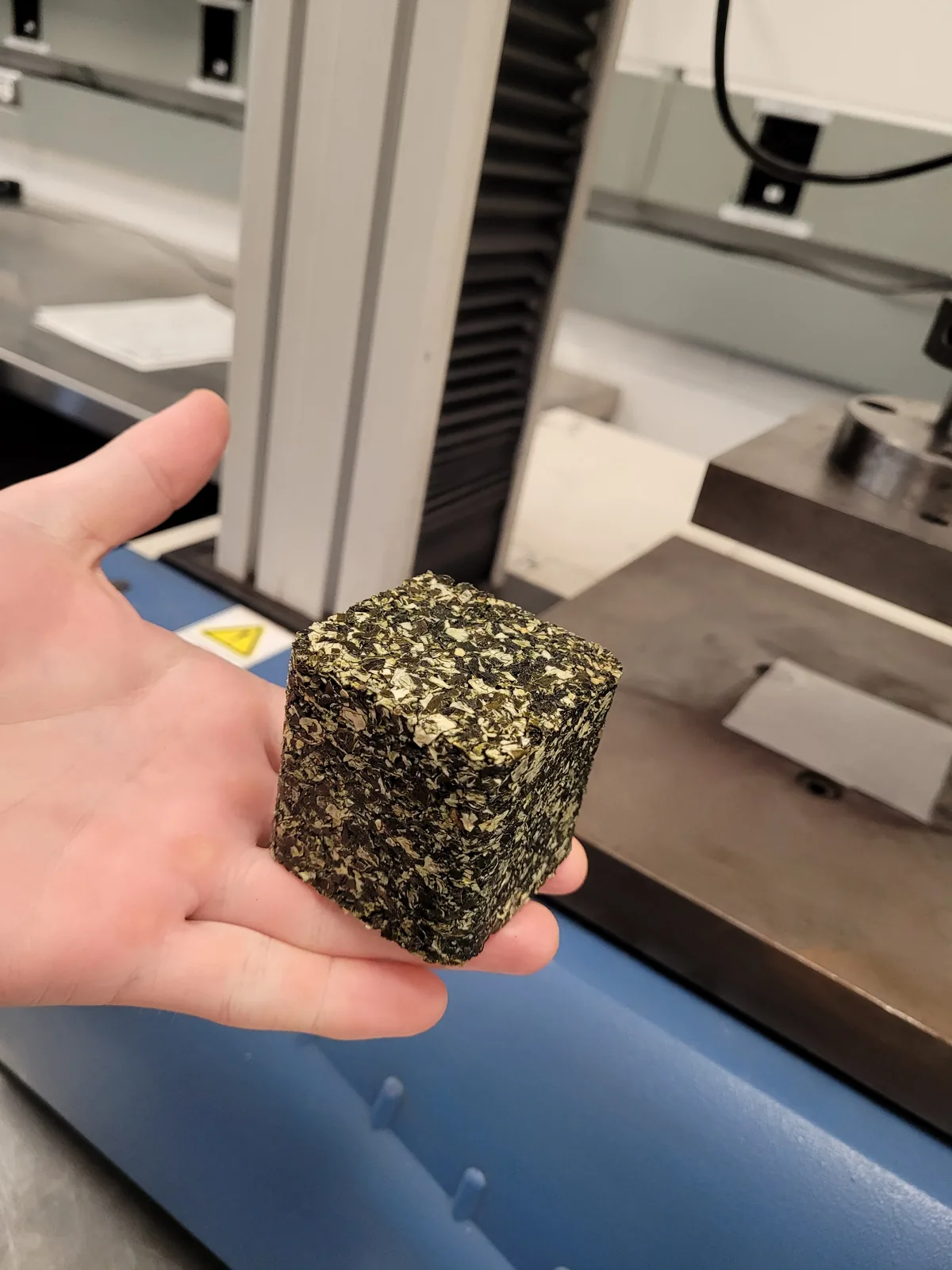
This is the story of the material before the brick had a shape. It comes from the project's updates of 2022 and 2023 and the photographs taken in the UBC labs.
The idea changed from a block to a composite in one evening
The earliest SeaBrick was going to be a ceramic block. In August 2021, after a long dinner with an engineer, that was set aside for something simpler: compress kelp fibre with a natural binder, the way hardboard is made from wood, and form it in a mould. Could such a material be strong enough to build with and light enough to float? That question went to the University of British Columbia.
Six students made a composite stronger than concrete
In the autumn of 2022 six Materials Engineering students took SeaBrick on as their Capstone project. By late November their strongest composite had a density close to water, which is why the brick became hollow. In January 2023 the team reported a kelp composite stronger than concrete in compression.
A research agreement gave the material a name
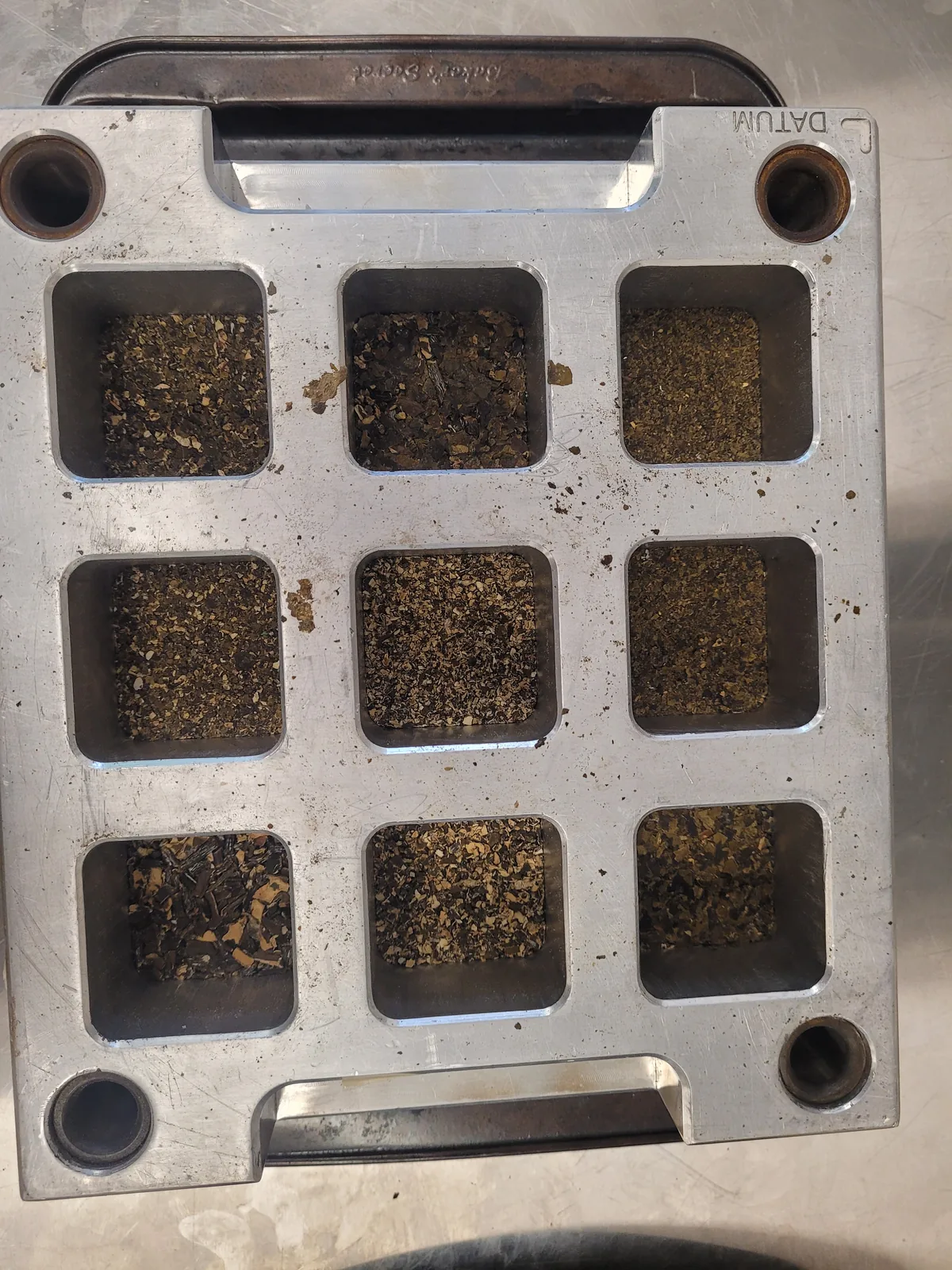
In May 2023 the project signed a sponsored research agreement with UBC's BioProducts Institute. Two summer students worked on the chemistry and the manufacturing: alginate binders, taking the alginate out of raw kelp, and the first bio-based coatings. By August the material had a name, Kelpstone, and lab specimens were testing at 57 to 60 megapascals in compression, three times a typical concrete at half the weight.
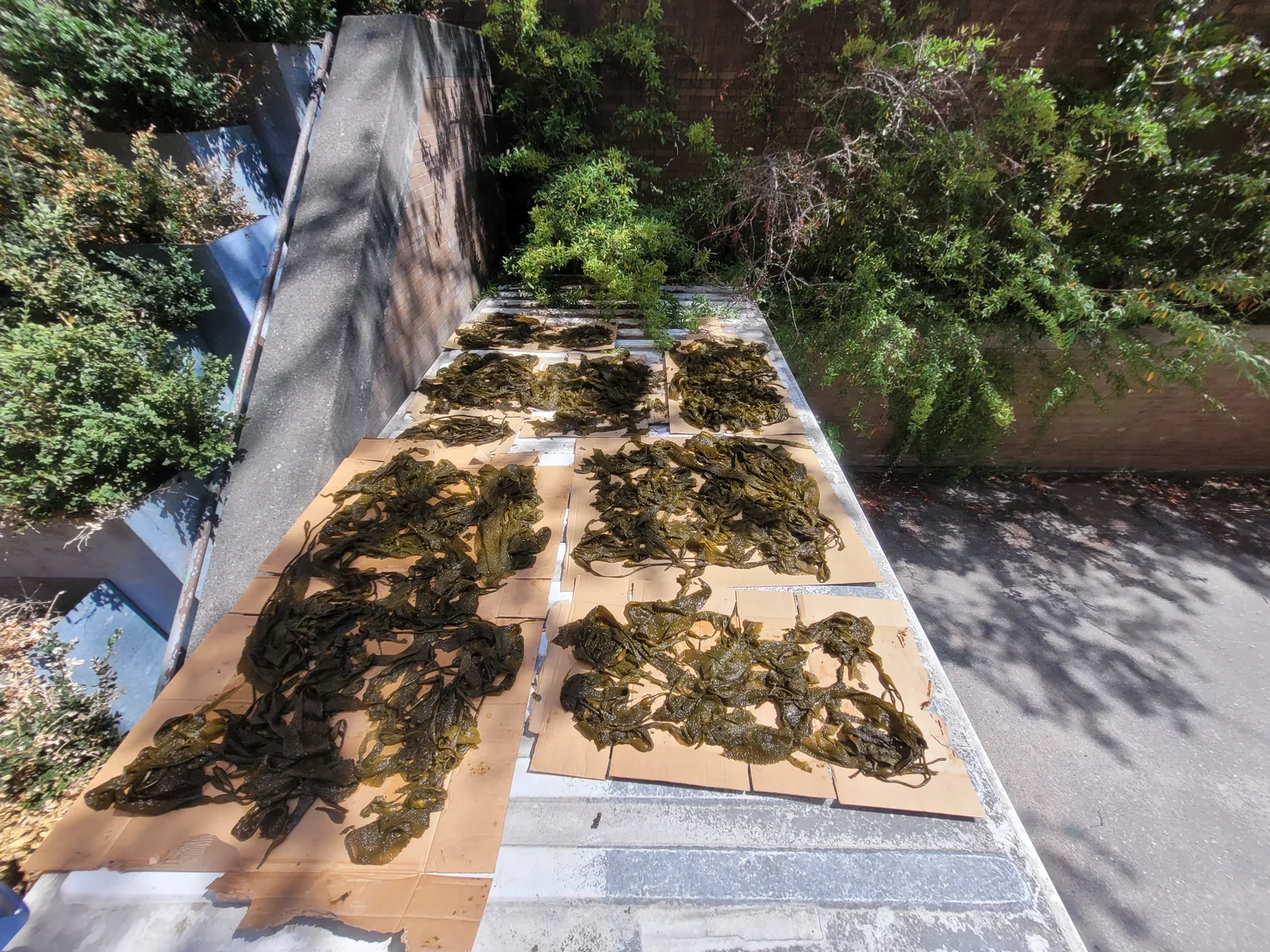
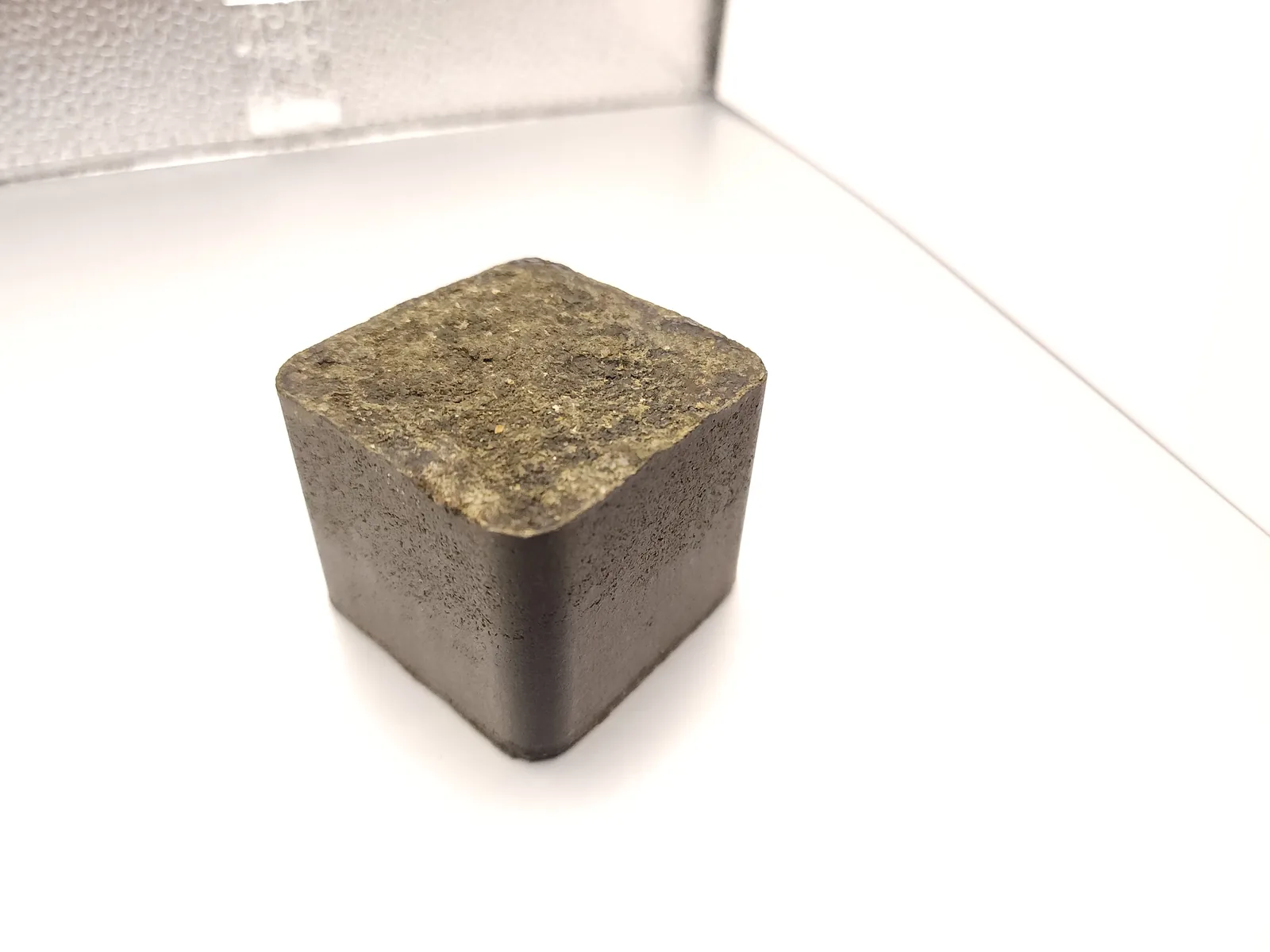
That autumn three more Capstone teams, about twenty students across Manufacturing, Mechanical and Materials Engineering, took on the brick shell, the manufacturing process and a floating solar platform. More than twenty students over nine course terms have worked on SeaBrick since, and several stayed with the project after they graduated.
What it taught us
The UBC work showed that a plant-fibre composite could be stronger than concrete. It also showed what was left: keeping water out, and finding fibre at scale. Those two problems shaped everything after, including the move from seaweed to flax told in a later article.