
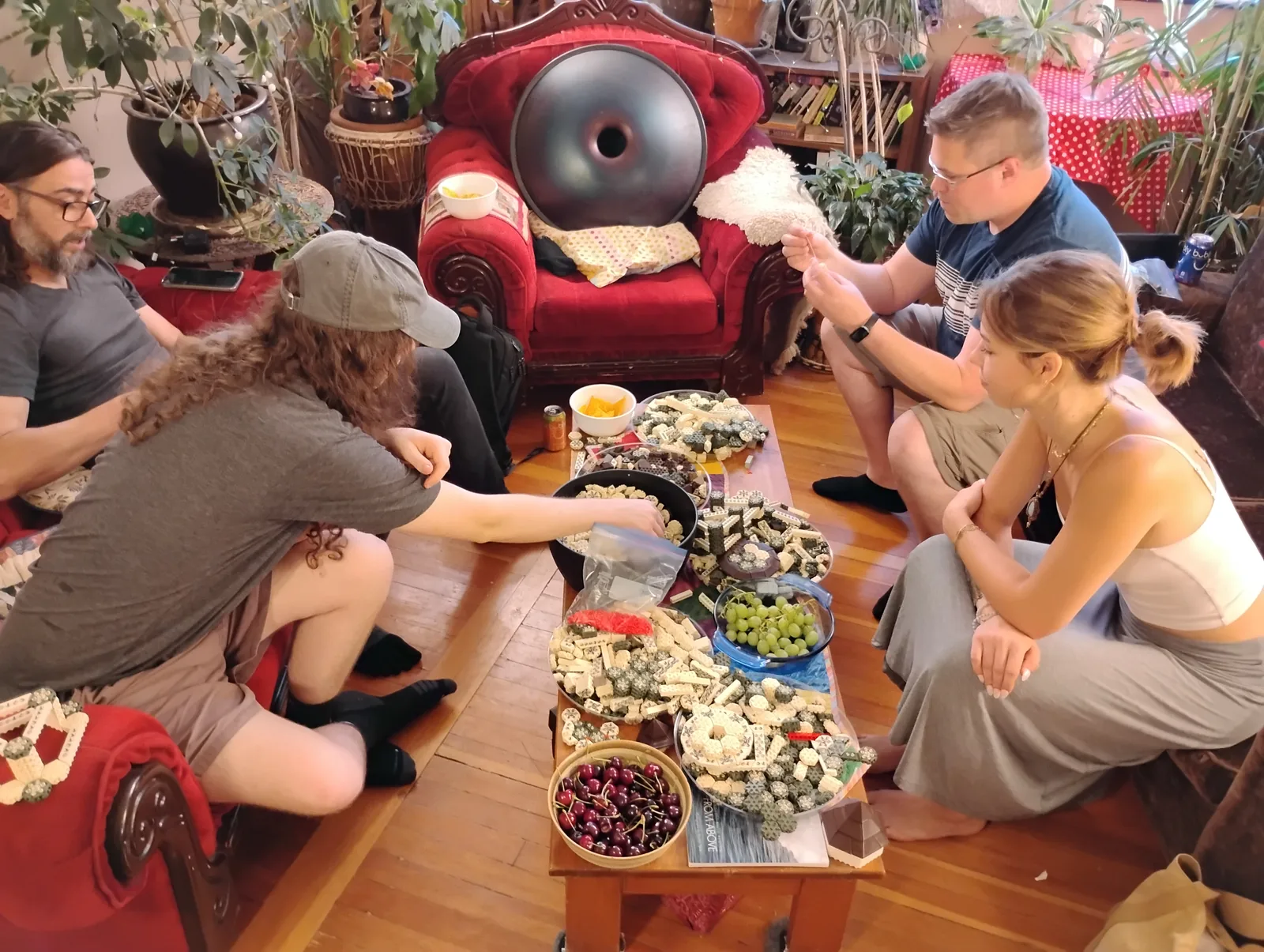
For most of its history SeaBrick existed as drawings, a handful of prototypes and a lot of conversation. Through the spring of 2026 that changed. Week by week, 3D-printed model bricks piled up in bowls and boxes, about a thousand pieces in some fifty shapes by June. The invitation that went out on 9 June called it a soft launch. It was really a test.
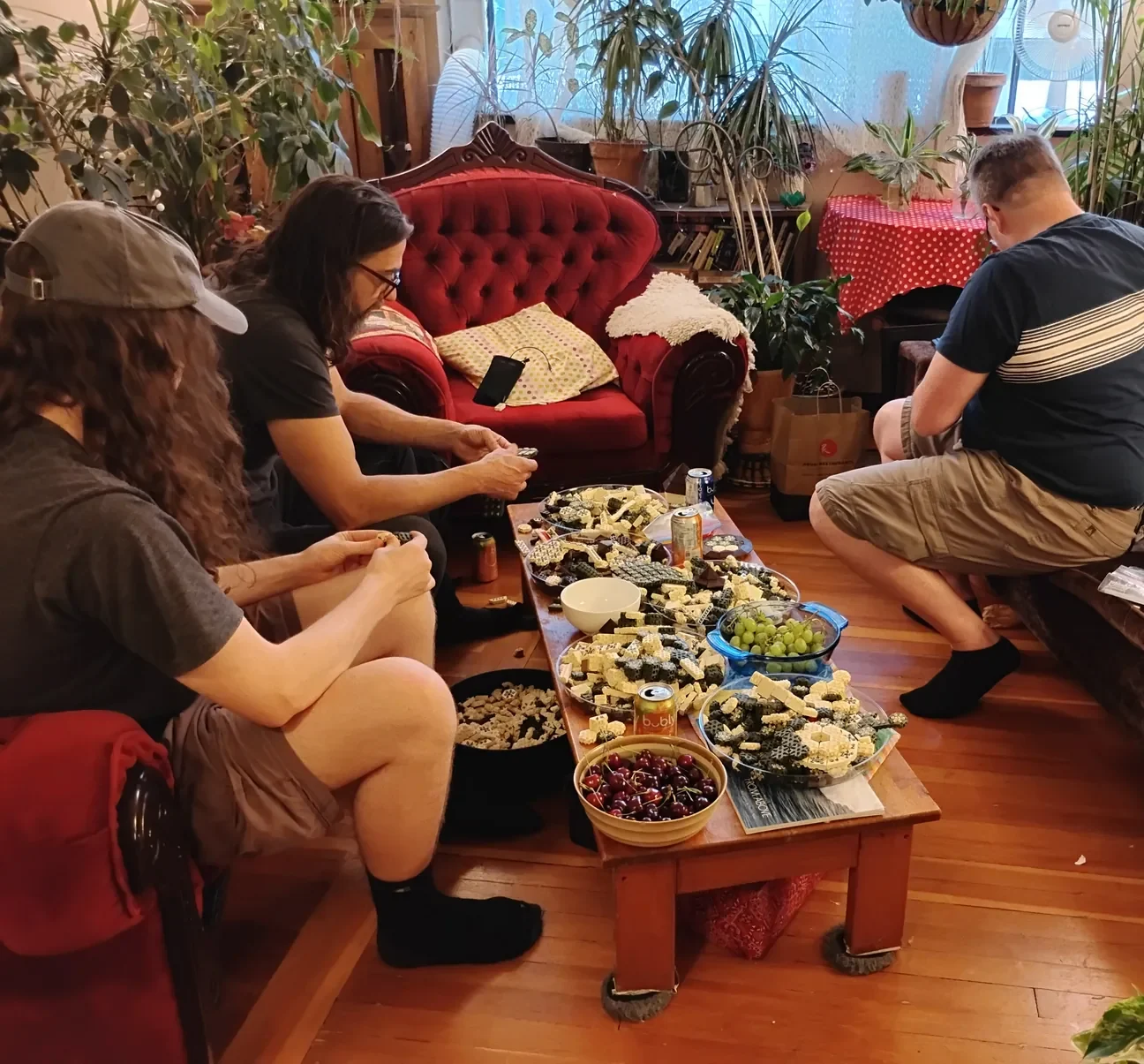
Model bricks test the system
Model bricks say nothing about strength or seawater. What they say is whether the system makes sense to a person holding it. Which shapes do people reach for? What do they try to build? Where do they get stuck? The afternoon's job was to help choose the first brick set, the small family worth printing in quantity.
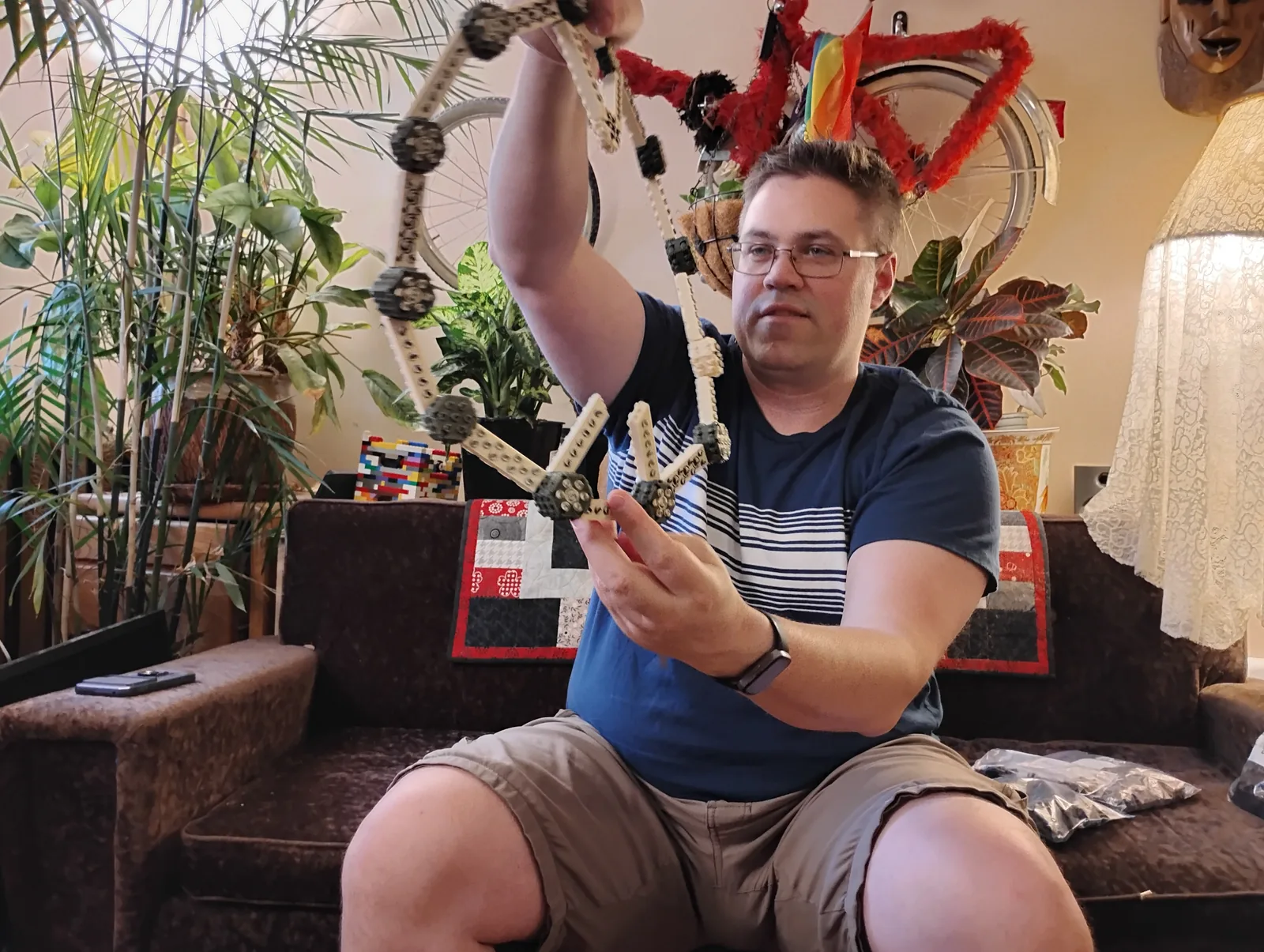
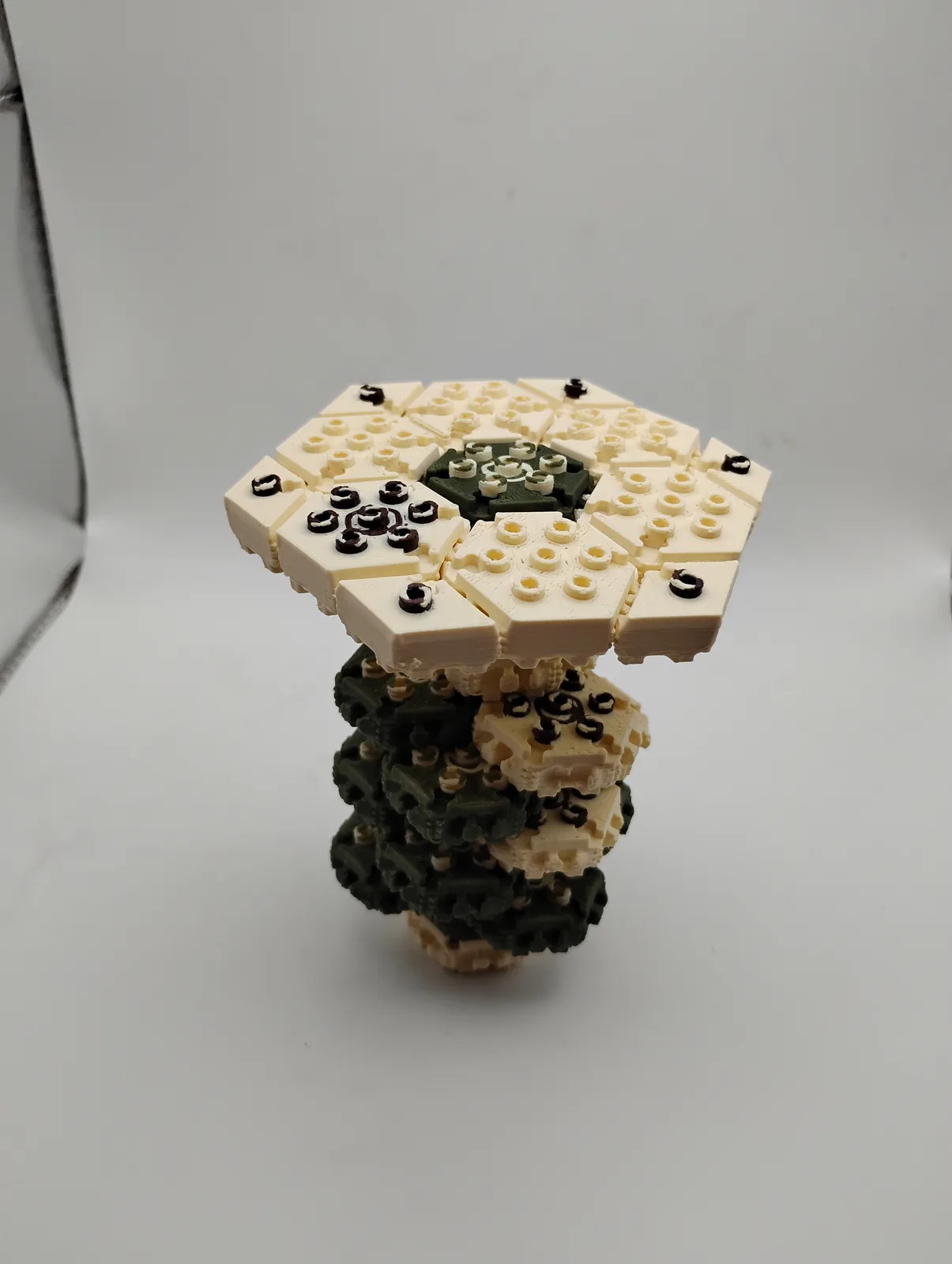
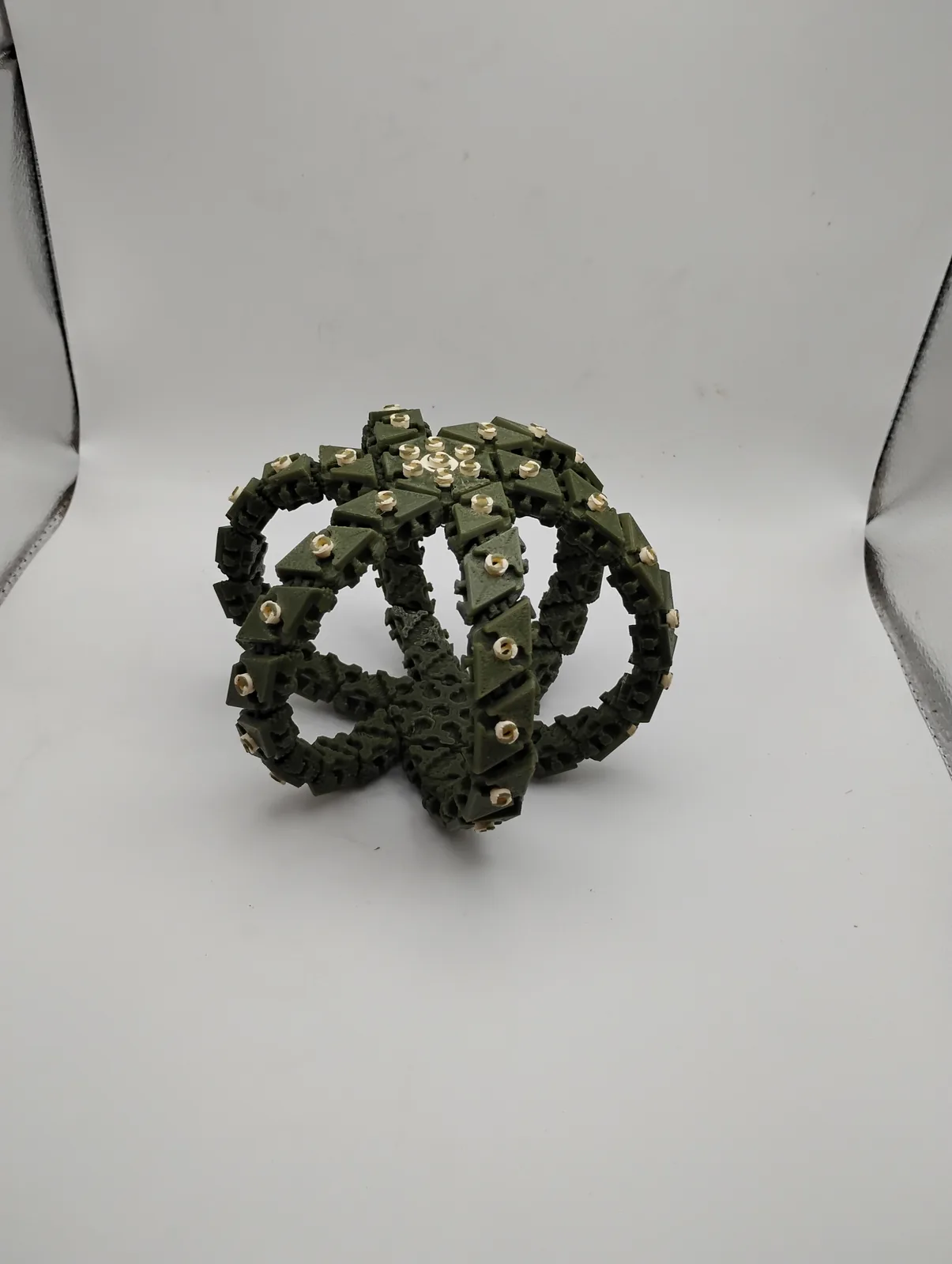
People built rings first, and children built fastest
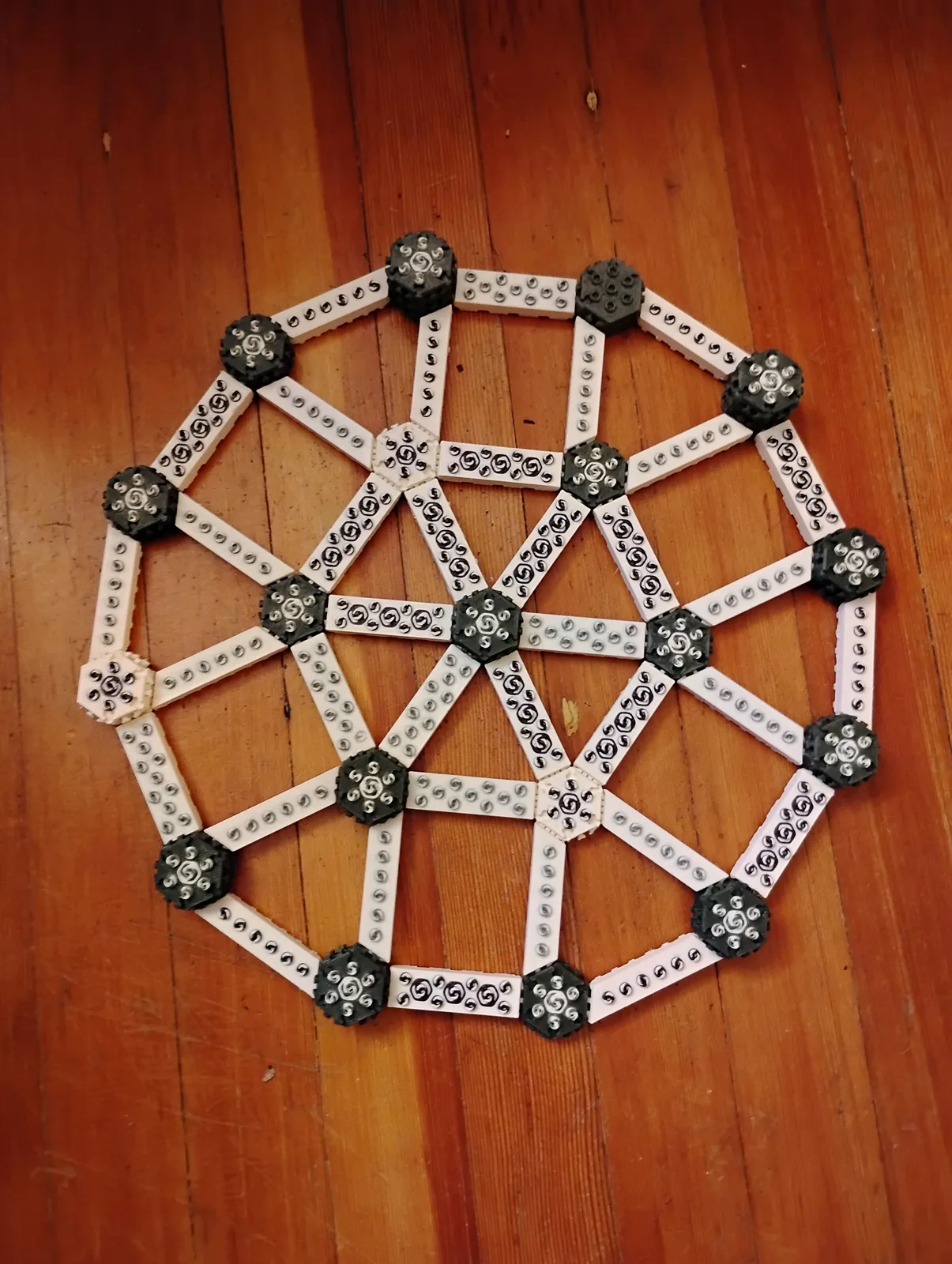
Rings, frames and wheels came first, then towers, then mats. Long thin pieces were used as beams far more than expected. Closed shapes were satisfying to make and surprisingly stiff. Flat mats were slower to build but suggested platforms at once. The four-year-old built more, and faster, than anyone else, which told us how intuitive the connections had become.
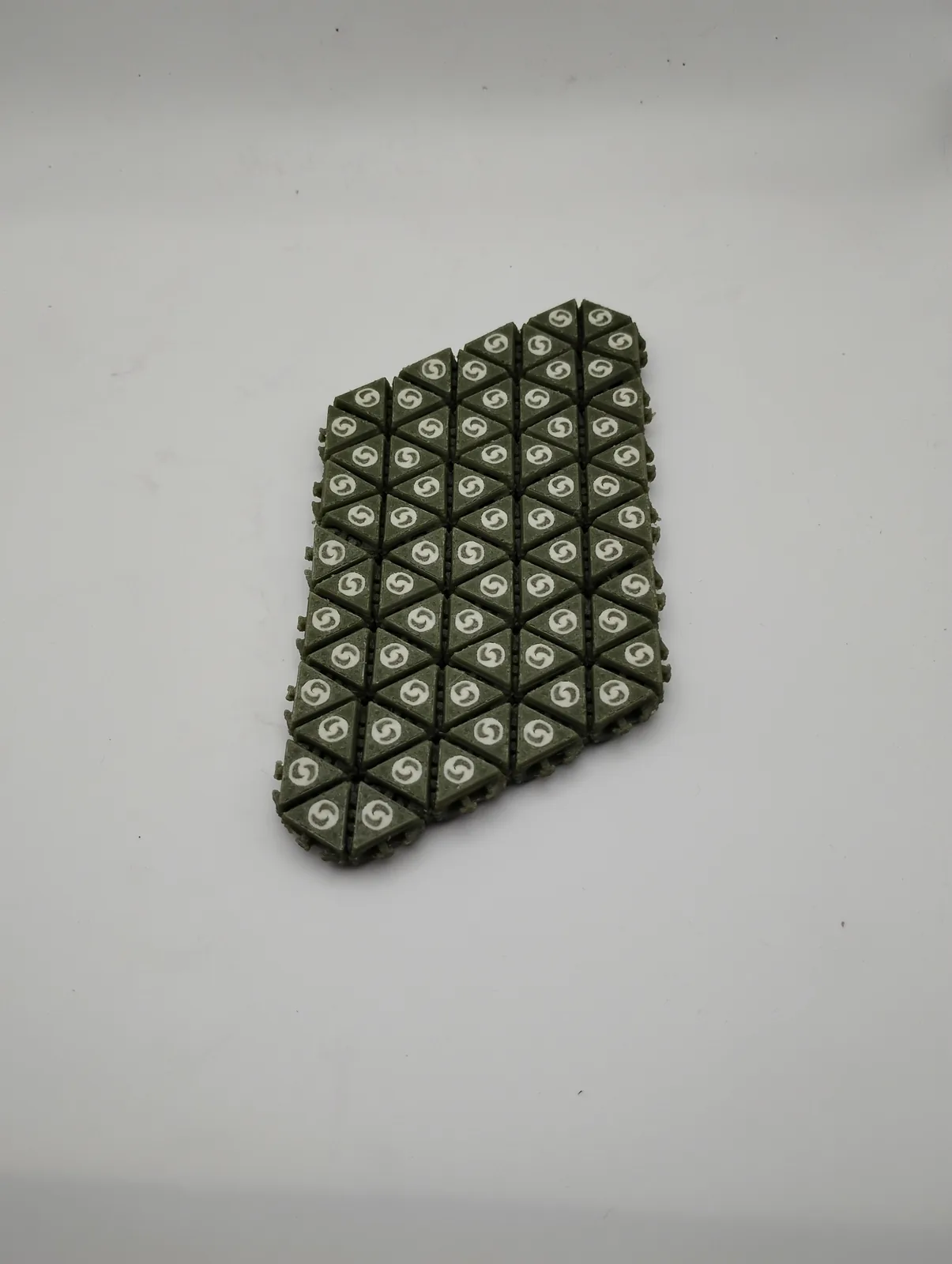
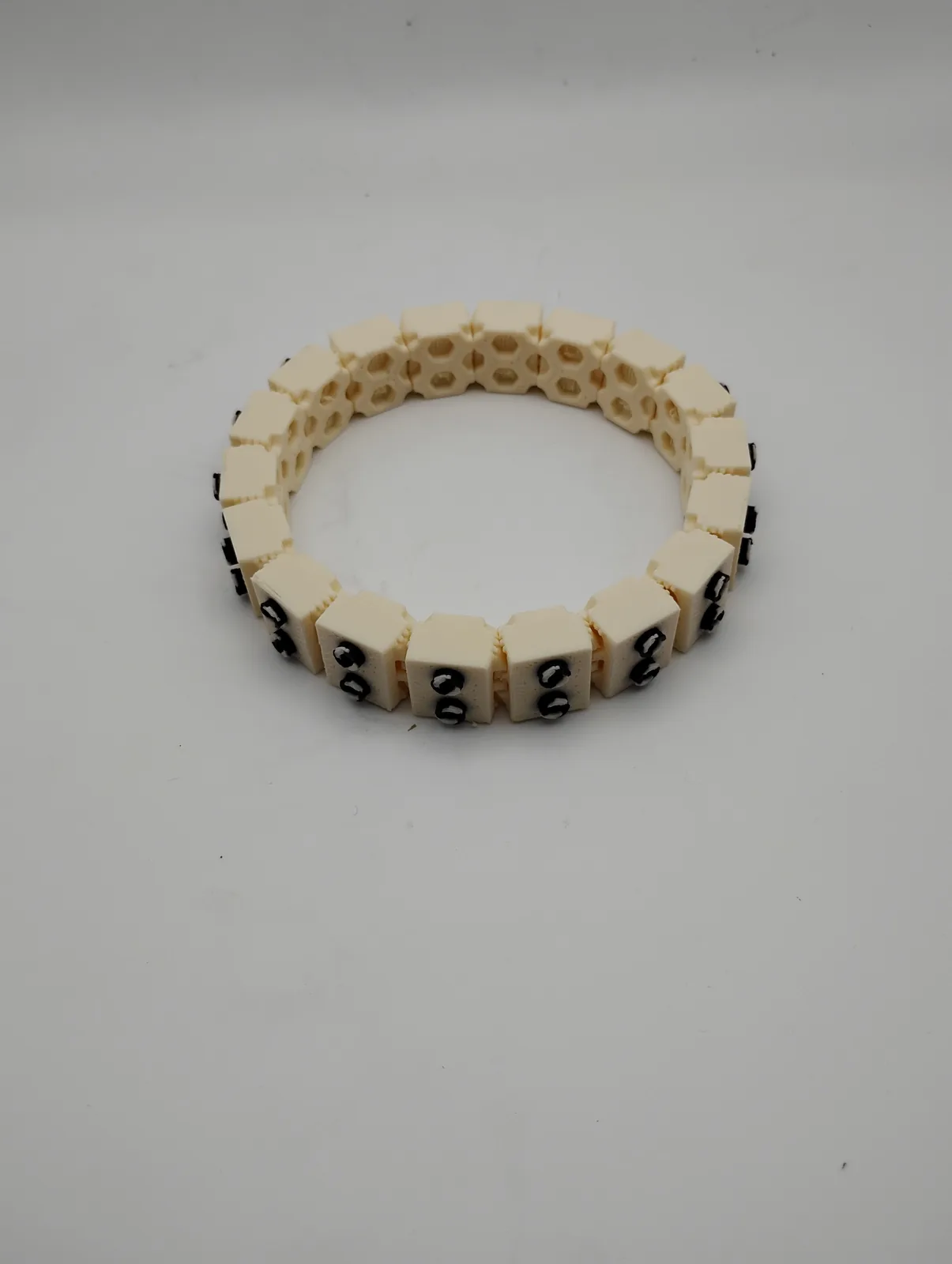
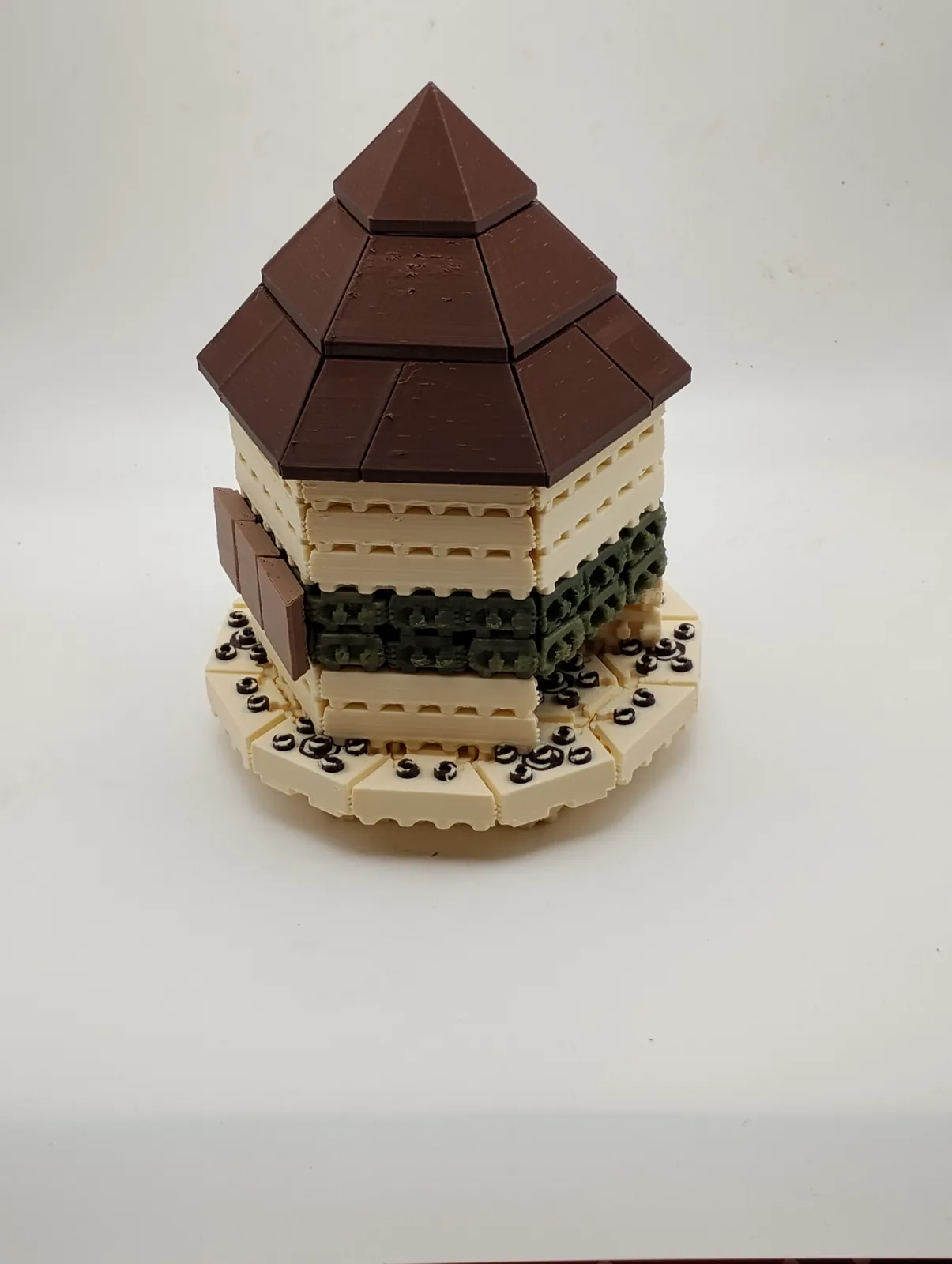
The studio photographs were taken the following week, as the pieces people had made were sorted into the arrangements now shown on the technology page: mats, tubes, walls and enclosures. Check out some of the things people made with SeaBrick.